


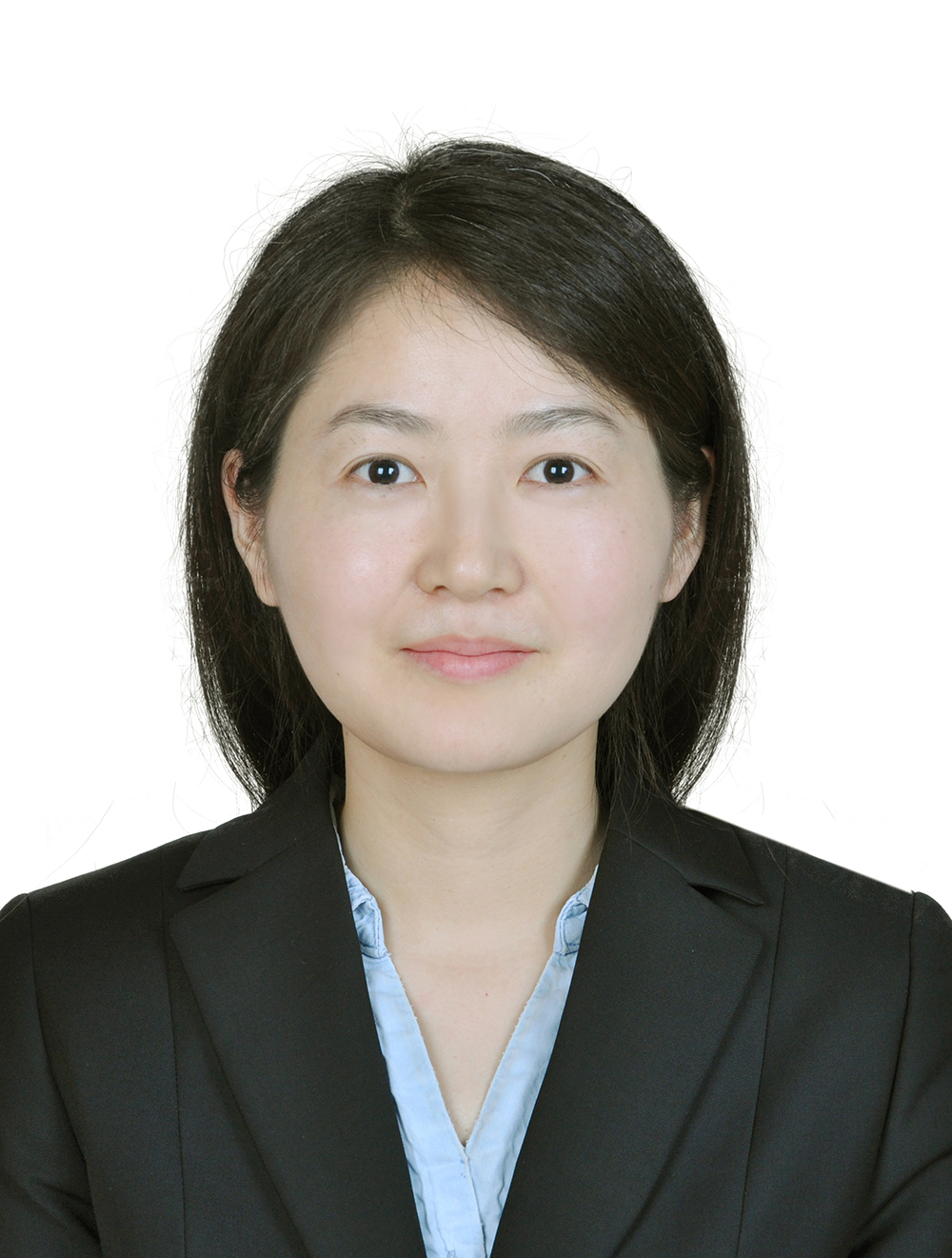
杨伟莉
研究员
 weiliyang12@jnu.edu.cn
 暂无
暂无
研究助理
暂无
暂无

杨伟莉,博士,研究员,硕士生及博士生导师。主要研究方向为重大神经退行性疾病(PD, AD等)的非人灵长类猴模型建立、病理机制研究及新型治疗策略探索。曾获评国家教育部重点人才工程青年项目(2022年度)、广东省自然科学基金杰出青年项目(2022年度)、暨南大学王宽诚青年学者项目(2024年度)。
2017年1月获中国科学院遗传与发育生物学研究所博士学位,师从国际著名神经退行性疾病研究专家李晓江教授。2017年初进入暨南大学继续在李晓江课题组从事博士后研究,并于同年至加州大学洛杉矶分校(UCLA)访问交流一年;2018-2019年至美国Emory大学人类遗传学系访问交流。2019年9月加入暨南大学粤港澳中枢神经再生研究院。
多年来主要利用基因编辑技术TALEN及CRISPR/Cas9建立重大神经退行性疾病猴模型,如参与创建出世界首例PINK1敲低、Parkin敲低的两种PD猴模型,功能性敲除杜氏肌萎缩DMD基因猴模型,自闭症猴模型及小脑症猴模型等,并对其病理机制进行了深入研究。尤其聚焦帕金森病,通过利用PINK1敲低及Parkin敲低两种猴模型,首次报道PINK1激酶及其对Parkin Ser65位点的磷酸化在灵长类脑中特异性表达,且与灵长类神经细胞退变死亡及病理性α-synuclein聚集密切相关。通过优化基因编辑系统,开发了在成年猴脑黑质通过敲低PINK1或Parkin在2-3个月内建立同时模拟PD两大核心病理特征(多巴胺神经元死亡及病理性α-synuclein聚集)的PD猴模型,为PD的药物开发提供了新工具。目前团队针对PD猴模型发现的新模型及新靶点,正在开展基因治疗、干细胞治疗PD猴模型等新型治疗策略探索,旨在推动其临床转化。
近年来在Cell Research, J Clin Invest, Autophagy, Protein and Cell, Molecular Neurodegeneration, Journal of Neuroscience, Cell stem cell, Cell Discovery等杂志发表二十余篇具有国际影响力的文章。近五年主持获批国家自然科学基金面上项目3项(2020、2023、2025)、广东省基础与应用基础研究重大项目(2025)、临港国家实验室攻关任务2项(2025)、广东省自然科学基金杰出青年项目1项(2022)、广东省自然科学基金面上项目1项(2021)、广东省重点领域研发计划-脑科学与类脑研究项目课题骨干(2019)等多个国家级及省部级项目。已获批6项发明专利授权,在神经退行性疾病的大动物模型制备及疾病机理研究上具有丰富经验。
Han R, Wang Q, Xiong X, Chen XS, Tu ZC, Li B, Zhang F, Chen CY, Pan MT, Xu T, Chen LQ, Wang ZF, Liu YT, He DJ, Guo XY, He F, Wu P, Yin P, Liu YB, Yan XX, Li SH#, Li X-J#, Yang W#. Deficiency of Parkin causes neurodegeneration and accumulation of pathological α-synuclein in monkey models. J Clin Invest. 2024 Oct 15;134(20):e179633. (Co-corresponding author)
Huang W, Xu T, Zhou G, Li Y, Lin C, Chen X, Zhang T, Jiang L, Liu Y, Xiong X, Liang X, Guo X, Li S, Li X-J, Yang W. 2025. Regulation of UBC12 expression and protein neddylation by PINK1 implicates its primate-specific function. Zoological Research. DOI: 10.24272/j.issn.2095-8137.2025.106. (Corresponding author)
Liu Y, Huang W, Wen J, Xiong X, Xu T, Wang Q, Chen X, Zhao X, Li S, Li XJ, Yang W. Differential distribution of PINK1 and Parkin in the primate brain implies distinct roles. Neural Regen Res ;20(4):1124-1134, 2024. (Corresponding author)
Chen X, Han R, Liu Y, Huang W, Wang Q, Xiong X, Zhang Y, Zhao J, Li S, Li XJ, Yang W. Comparison of monkey and pig cells indicates the primate-specific expression of PINK1 and phosphorylation. Zoological research, 2024, 45(2): 242-252. (Corresponding author)
Han, R; Li, SH; Li, X; Yang, WL. PINK1/Parkin-mediated mitophagy: differences between in vitro and in vivo models. Autophagy, 2022, doi: 10.1080/15548627.2022.2139080. (Corresponding author)
Yang W*, Guo X, Tu Z, Chen X, Han R, Liu Y, Yan S, Wang Q, Wang Z, Zhao X, Zhang Y, Xiong X, Yang H, Yin P, Wan H, Chen X, Guo J, Yan XX, Liao L, Li S, Li X-J*. PINK1 kinase dysfunction triggers neurodegeneration in the primate brain without impacting mitochondrial homeostasis. Protein Cell. 13(1):26-46, 2022. (#co-corresponding author)
Yang W*, Liu Y*, Tu Z, Xiao C, Yan S, Ma X, Guo X, Chen X, Yin P, Yang Z, Jiang T, Li, S, Qin C, Li X-J. CRISPR/Cas9-mediated PINK1 deletion leads to neurodegeneration in rhesus monkeys. Cell Res. 29(4):334-336, 2019. (co-first author)
Yin P, Li SH, Li X-J, Yang W*. New pathogenic insights from large animal models of neurodegenerative diseases. Protein Cell. doi: 10.1007/s13238-022-00912-8, 2022. (Corresponding author)
Yang W, Li S, Li X-J. A CRISPR monkey model unravels a unique function of PINK1 in primate brains. Mol Neurodegener. 14(1):17, 2019.
Chen, X; Wang, Q; Li, S; Li, XJ; Yang, WL. Mitochondrial-Dependent and Independent Functions of PINK1. Frontiers in Cell and Developmental Biology, 2022, 10:954536.
Yang W#, Chen X, Li S, Li X-J#. Genetically modified large animal models for investigating neurodegenerative diseases. Cell Biosci. 11(1):218, 2021. (#co-corresponding author)
Yang, WL#; Li, S; Li, XJ#. AHI1: linking depression and impaired antiviral immune response. Cell Research, 2022, 0:1-2. (#co-corresponding author)
Yang W*, Wang G*, Wang C*, Guo X, Yin P, Gao J, Tu Z, Wang Z, Wu J, Hu X, Li S, Li X-J. Mutant Alphα-Synuclein Causes Age-Dependent Neuropathology in Monkey Brain, J Neurosci. 35: 8345-58, 2015. (co-first author)
Yang W, Tu Z, Sun Q, Li X-J. CRISPR/Cas9: Implications for Modeling and Therapy of Neurodegenerative Diseases, Front. Mol. Neurosci. 9:30, 2016.
Li B*, Zhao H*, Tu ZC*, Yang WL*(co-first author), Han R, Wang L, Luo XP, Pan MT, Chen XS, Zhang JW, Xu HJ, Guo XY, Yan S, Yin, P, Zhao ZG, Liu JR, Luo YF, Li YF, Yang ZY, Zhang BG, Tan ZQ, Xu H, Jiang TZ, Jiang YH. Li SH, Zhang YQ, Li X-J. CHD8 mutations increase gliogenesis to enlarge brain size in the nonhuman primate Cell Discov 2023 In press.
Tu Z*, Yang W*(co-first author), Yan S*, Yin A, Gao J, Liu X, Zheng Y, Zheng J, Li Z, Yang S, Li, SH, Guo X and Li X-J. Promoting Cas9 degradation reduces mosaic mutations in non-human primate embryos. Sci Rep. 7: 42081, 2017.
Chen Y*, Zheng Y*, Kang Y*, Yang W*(co-first author) , Niu Y, Guo X, Tu Z, Si C, Wang H, Xing R, Pu X, Yang SH, Li S, Ji W, Li X-J. Functional disruption of the dystrophin gene in Rhesus Monkey Using CRISPR/Cas9. Hum. Mol. Genet. 24, 3764-74, 2015.
Yang W, Zhang Y, Yang J, Tan L, Yang K. Potential anti-osteoporosis effect of biodegradable magnesium implanted in STZ-induced diabetic rats. J Biomed Mater Res A. 99, 386-94, 2011.
Tu Z, Yang W, Yan S, Guo X, Li X-J. CRISPR/Cas9: a powerful genetic engineering tool for establishing large animal models of neurodegenerative diseases. Mol Neurodegener. 10:35, 2015.
Li X-J, Tu Z, Yang W, Li S. CRISPR: Established Editor of Human Embryos? Cell Stem Cell. 21(3):295-296, 2017.
Yin P, Guo X, Yang W, Yan S, Yang S, Zhao T, Sun Q, Liu Y, Li S, Li X-J. Caspase-4 mediates cytoplasmic accumulation of TDP-43 in the primate brains. Acta Neuropathol. 137(6):919-937, 2019.
Yin P, Liu Q, Pan Y, Yang W, Yang S, Wei W, Chen X, Hong Y, Bai D, Li X-J, Li S. Phosphorylation of myelin regulatory factor by PRKG2 mediates demyelination in Huntington's disease. EMBO Reports. 21: e49783, 2020.
Yan S, Tu Z, Liu Z, Fan N, Yang H, Yang S, Yang W, Zhao Y, Ouyang Z, Lai C,Yang H, Li L, Liu Q, Shi H, Xu G, Zhao H, Wei H, Pei Z, Li S, Lai L, Li X-J. A Huntingtin Knockin Pig Model Recapitulates Features of Selective Neurodegeneration in Huntington's Disease. Cell. 173(4):989-1002, 2018.
Jing L, Cheng S, Pan Y, Liu Q, Yang W, Li S, Li X-J. Accumulation of Endogenous Mutant Huntingtin in Astrocytes Exacerbates Neuropathology of Huntington Disease in Mice. Mol Neurobiol. 2021.
Yang S, Yang HM, Chang RB Yang Y, Yin P, Yang W, Huang SS Geartig, MA, Li SH, Li X-J. MANF regulates hypothalamic control of food intake and body weight. Nature Commun. 18;8(1):579, 2017.
Zhao H, Tu ZC, Xu HJ, Yan S, Yan HH, Zheng YH, Yang W, Zheng JH, Li ZJ, Tian R, Lu YM Gao XY, Jiang YH, Li X-J. Zhang YQ. Altered neurogenesis and disrupted expression of synaptic proteins in SHANK3 deficient non-human primate prefrontal cortex. Cell Res. 27(10):1293-1297. 2017.
联系方式:weiliyang12@jnu.edu.cn. 暨南大学粤港澳中枢神经再生研究院315室,欢迎感兴趣的研究生及本科生加入!
